 listicle
Clothing Repair Kit: A 2026 Buyer's Guide
Table of Contents
- What a Clothing Repair Kit Contains
- Quick Comparison Table: Kits by Repair Type and Skill Level
- How We Evaluated These Kits
- Essential Tools: Needles, Thread, and Fasteners
- Darning Kit Options for Holes and Worn Fabric
- Fabric Repair Patches and No-Sew Solutions
- Basic Sewing Kit vs. Specialized Repair Tools
- How to Darn a Hole in a Sweater: Step-by-Step
- Frequently Asked Questions
Last Updated: October 21, 2026
What a Clothing Repair Kit Contains
A clothing repair kit is a set of tools and materials for fixing common garment damage without professional help. Whether it's a small hole in a sweater or a loose button on a jacket, a well-stocked clothing repair kit lets you extend the life of your wardrobe instead of tossing damaged items.
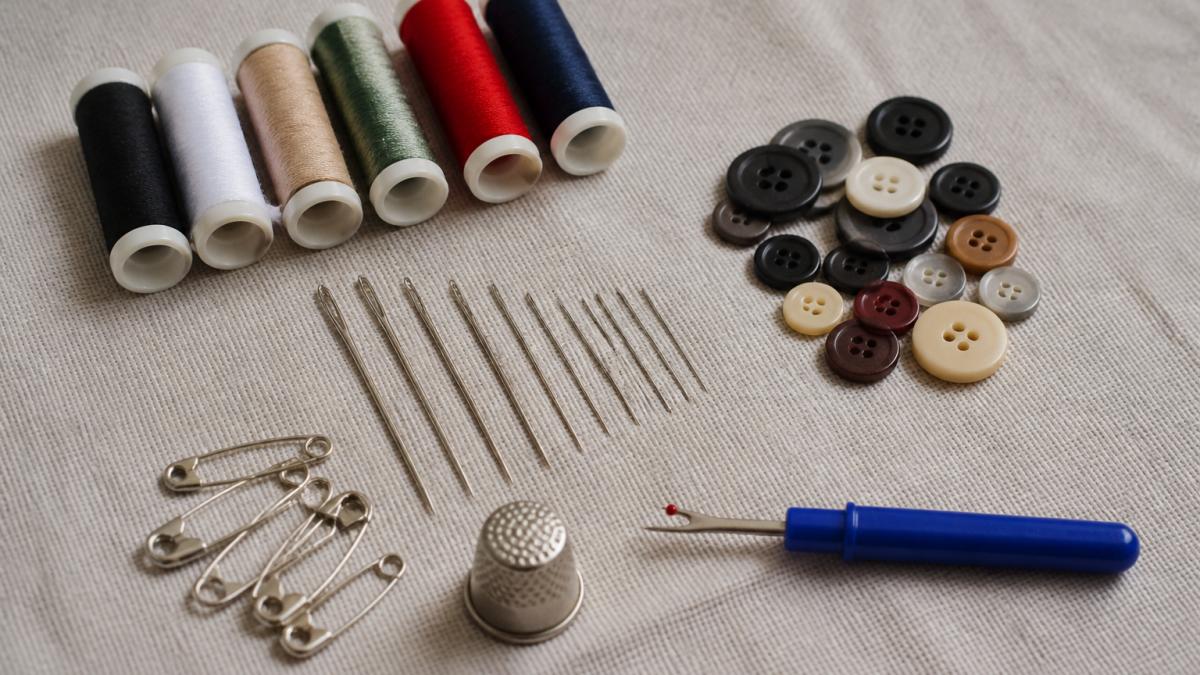
Every functional clothing repair kit needs needles in various sizes, thread in multiple colors, and fasteners like buttons and safety pins. Quality kits also include patches, a thimble, a seam ripper, and often a no-sew repair option. At Funalya, we've designed our kits to include everything beginners need without overwhelming them with unnecessary tools.
What separates a beginner-friendly clothing repair kit from a generic sewing kit is intentionality. A thoughtful repair kit prioritizes the damage you'll actually encounter: holes in sweaters, worn fabric on elbows, loose seams, and missing buttons. The best kits also include instructions or clear labeling so you know how to use each component.
Many people assume a clothing repair kit is just a miniature sewing kit. Not quite. A repair kit is task-focused, built around the holes, tears, seams, and fasteners you'll encounter on everyday clothing. That focus means less money spent, fewer tools carried, and a kit you actually know how to use.
Quick Comparison Table: Kits by Repair Type and Skill Level
| Kit Type | Best For | Key Contents | Skill Level |
|---|---|---|---|
| Basic Sewing Kit | Quick fixes, travel | Needles, thread, safety pins, scissors | Beginner |
| Darning Kit | Holes in sweaters and knitwear | Darning needles, colored thread, egg or mushroom | Beginner |
| All-in-One Repair Kit | Multiple damage types | Patches, thread, needles, buttons, seam ripper | Beginner to Intermediate |
| Visible Mending Kit | Denim and decorative repairs | Embroidery thread, patch materials, specialty needles | Beginner to Intermediate |
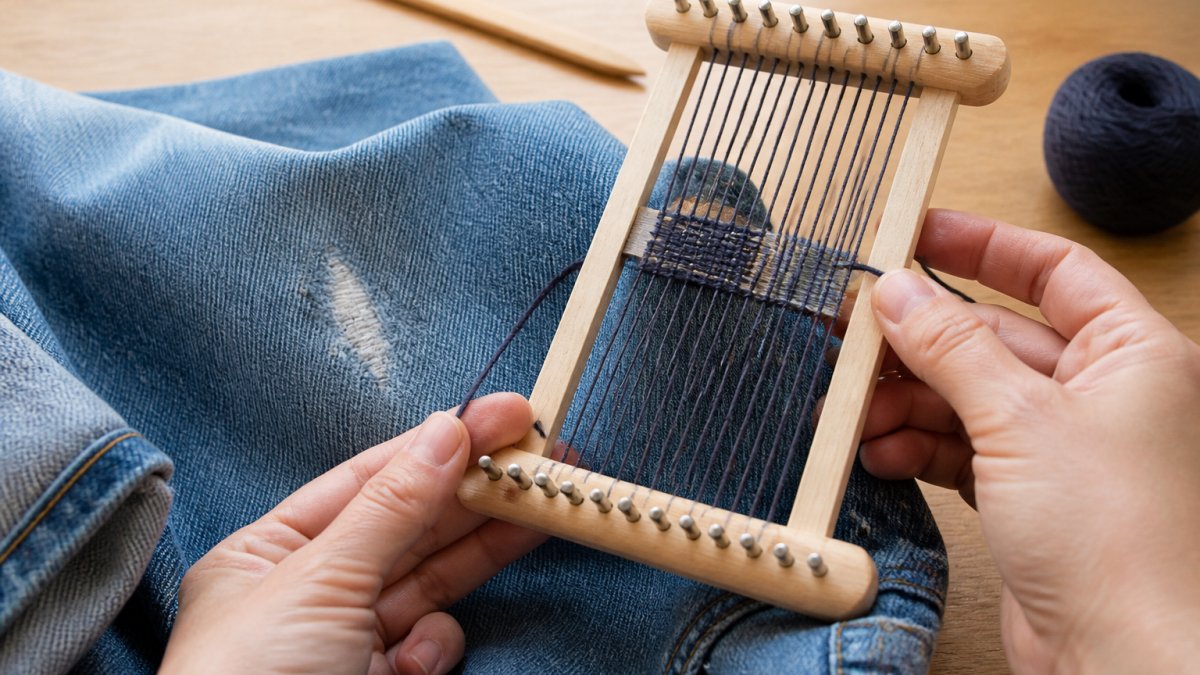
| Speed Loom Kit | Worn fabric, reinforcement | Loom tool, thread, instructions | Beginner |
How We Evaluated These Kits
When assessing clothing repair kits, we looked at several real-world factors. First, what damage the kit handles, a kit with only buttons and thread won't fix a hole in your sweater. Second, whether the tools are genuinely beginner-friendly or require prior sewing experience. Third, the quality of materials, since cheap thread snaps easily and dull needles frustrate new menders.
We also prioritized kits with instruction or guidance, since excellent tools without explanation leave beginners stuck. We valued kits that address the most common repairs: holes in knitwear, worn fabric, loose buttons, and small tears.
Finally, we considered whether the kit felt complete or like a starter set needing constant replenishment. The best clothing repair kits balance completeness, handling multiple repairs without forcing immediate additional purchases.
Essential Tools: Needles, Thread, and Fasteners
The core of any clothing repair kit is needles, thread, and fasteners, which handle the majority of garment repairs. Smaller needles work for delicate fabrics and fine thread, while larger needles handle heavier materials like denim. A good clothing repair kit includes at least three or four needle sizes so you're not forced to improvise.
Thread color matters more than beginners realize, a repair is less visible when the thread matches your garment. Quality kits include neutrals (black, white, navy, gray, brown) plus a few accent colors for visible mending. The thread should withstand repeated washing without snapping; cheap thread breaks mid-stitch and forces you to start over.
Fasteners include buttons, safety pins, and sometimes snaps or hooks. A variety of button sizes and colors lets you match most garments, and safety pins are useful for temporary holds. Some kits also include elastic, invaluable for waistbands and cuffs that have lost their stretch.
A thimble protects your finger when pushing needles through thick fabric, new menders often skip it, then regret it. Including one in your clothing repair kit signals the designer understands real-world use. Similarly, a seam ripper's curved blade removes old stitches without damaging the fabric underneath, essential for repairing a seam or replacing a button sewn on multiple times.
Darning Kit Options for Holes and Worn Fabric
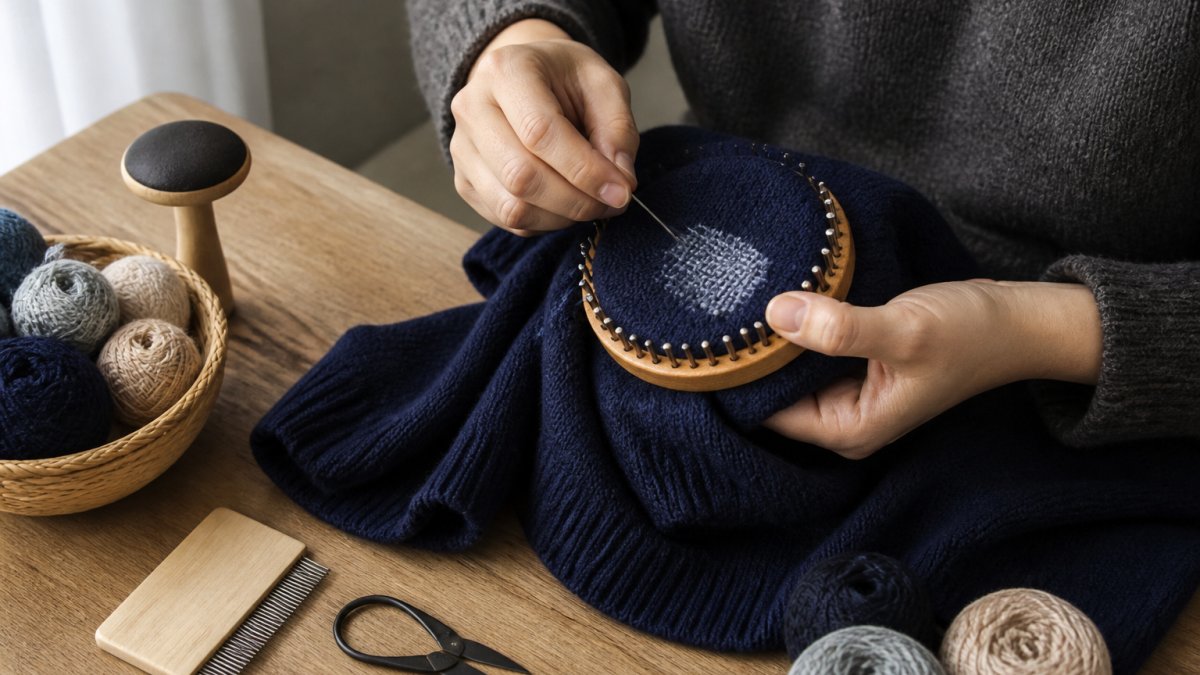
Darning is the most common repair beginners attempt, so a dedicated darning kit deserves special attention. Darning addresses holes in sweaters, socks, and other knitwear by weaving new thread through the damaged area to recreate the fabric structure. Unlike patching, which covers a hole, darning fills it in, blending with the surrounding fabric.
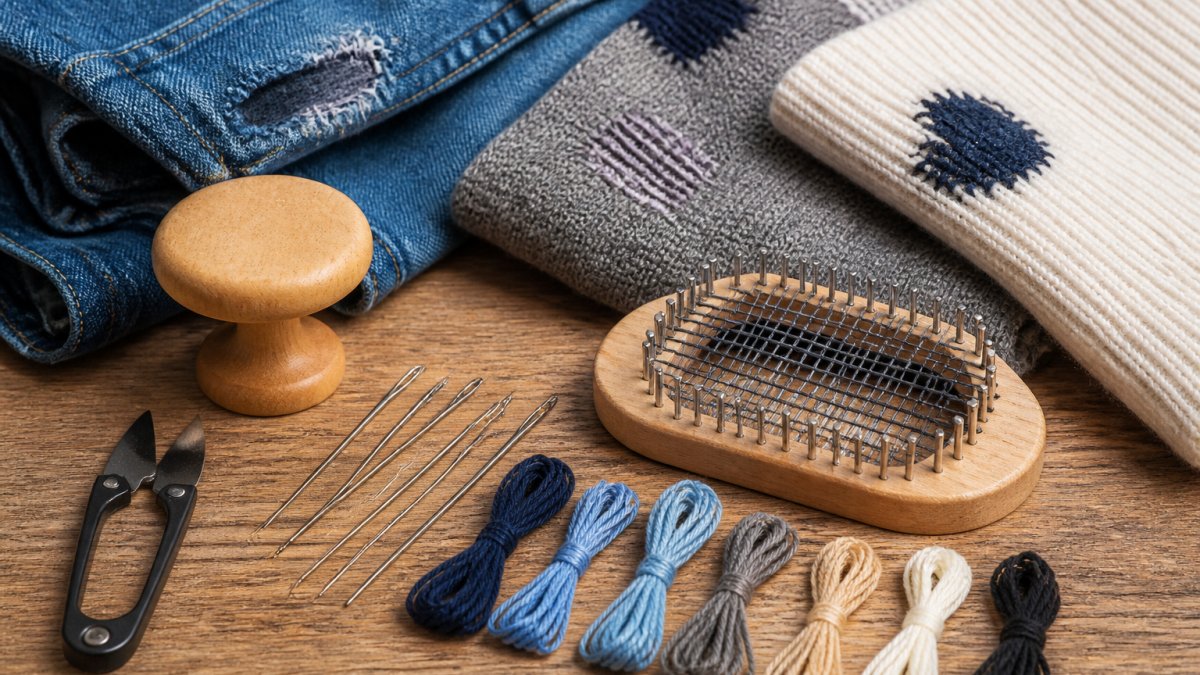
A darning kit typically includes darning needles, larger and blunter than standard needles, with a larger eye for thicker thread and a blunt tip that prevents splitting yarn fibers. Most kits also include a darning egg or mushroom, inserted inside the hole to create tension and a smooth working surface.
Color selection is crucial for darning, a navy sweater needs closely matching navy thread. A good clothing repair kit designed for darning includes thread in colors chosen for common garment tones. Some kits add embroidery floss for more color variety in visible mending projects where the repair stands out as a design feature.
The advantage of a darning kit is that it removes guesswork, everything inside is designed specifically for this repair. Funalya's darning kits emphasize accessibility, with tools that work for both small holes and larger worn sections.
Fabric Repair Patches and No-Sew Solutions
Patches offer a faster alternative to darning. Fabric repair patches come in two main types: traditional sew-on patches, which require stitching around the edges, and no-sew adhesive patches, which use heat-activated adhesive to bond to your garment. For beginners, no-sew patches remove the intimidation factor entirely.
A quality clothing repair kit includes both. No-sew patches suit emergency repairs and anyone not ready for hand-stitching: cut to size, position over the hole, apply heat with an iron, and you're done, the repair holds through multiple washes when applied correctly. Sew-on patches give more control over placement and appearance, and they're durable for long-term wear.
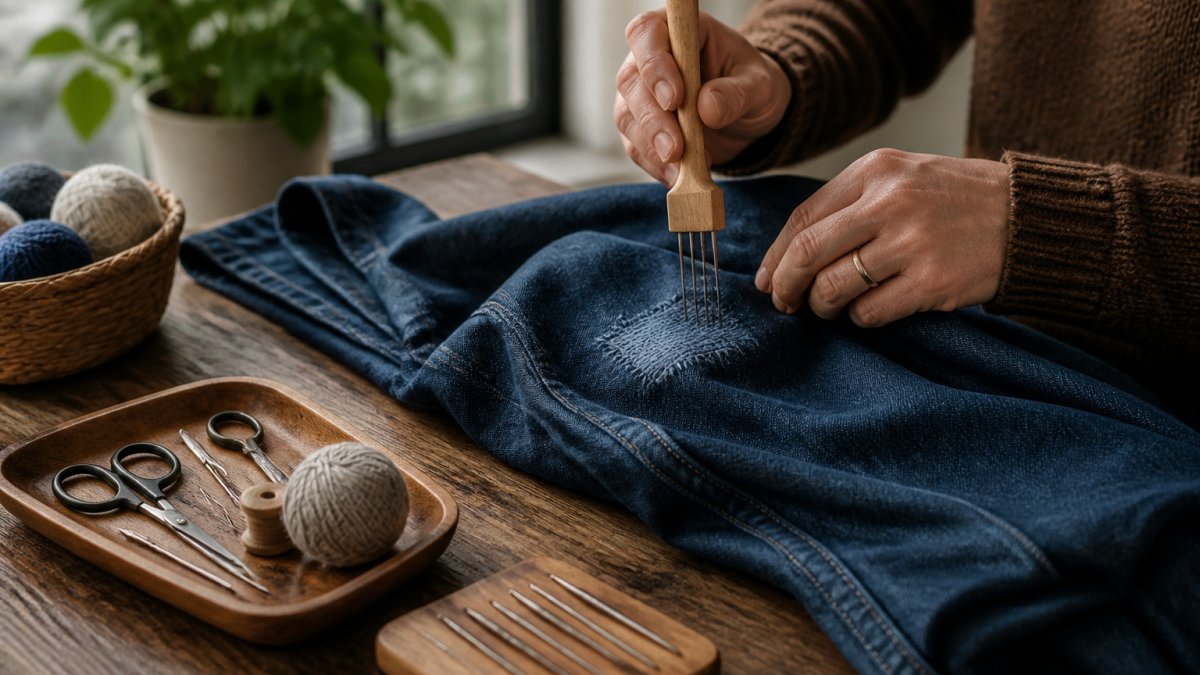
Patch materials vary. Some kits include fabric patches you can color-match to your garment; others include decorative patches designed to stand out. This matters: work clothes probably call for a patch that blends in, while a decorative patch on a favorite sweater becomes part of the garment's story.
The best clothing repair kits include multiple patch sizes and colors so you can handle different damage without a mid-project store run. Some include patch material you can cut to custom sizes for flexibility pre-cut patches don't offer.
Basic Sewing Kit vs. Specialized Repair Tools
The distinction between a basic sewing kit and a specialized clothing repair kit matters. A basic sewing kit is designed for general projects, making garments, alterations, crafts, with a wide variety of thread colors, many needle sizes, and tools you might never need. A specialized repair kit focuses exclusively on repairs to existing clothing.
Basic sewing kits often include items that clutter your workspace without adding repair value: embroidery floss in dozens of colors, decorative stitch guides, or fabric markers. These are great for embroidery or garment construction but overhead if you just want to fix a hole. A focused clothing repair kit cuts the clutter and gives you exactly what you need.
Specialized repair tools also tend to be higher quality. Basic-kit needles may be cheap and dull, while repair-kit needles are chosen for the fabrics you'll encounter: knitwear, woven cotton, heavy denim. Repair-kit thread is selected for strength and color-matching, not just variety, a quality difference that translates into better results and less frustration.
That said, if you're genuinely interested in sewing as a hobby, a basic sewing kit is the better foundation. You'll outgrow a repair-focused kit quickly. But if you're buying specifically to fix damaged clothing and extend garment life, a specialized clothing repair kit gives you better value and faster success.
How to Darn a Hole in a Sweater: Step-by-Step
Darning a hole in a sweater is the most practical skill to master when you own a clothing repair kit. The process takes 15-30 minutes once you understand the technique, and the result is a repair that's completely functional. Here's how to do it.
Step 1: Prepare Your Materials Gather your darning kit, a darning needle, thread that matches your sweater, and a darning egg or mushroom. If you don't have a darning egg, a smooth wooden spoon handle or even a tennis ball works in a pinch.
Step 2: Insert the Darning Egg Place the darning egg or mushroom inside the hole so the hole sits on top of the smooth surface. This creates tension and gives you a stable base to work against.
Step 3: Anchor Your Thread Tie a small knot at the end of your thread. Push the needle through the sweater fabric about a quarter-inch away from the hole edge.
Step 4: Weave Horizontally Starting at one edge of the hole, weave your needle horizontally across the hole. Go over and under the remaining yarn fibers, creating a weft (horizontal lines). Leave a tiny bit of slack in each pass, too-tight thread will pucker the repair.
Step 5: Weave Vertically Once you've covered the hole with horizontal lines, rotate your work and weave vertically over and under the horizontal threads you just created. This creates the interlocking pattern that mimics the original fabric structure.
Step 6: Secure and Finish Once the hole is completely filled with woven thread, anchor your thread by making a few small stitches in the surrounding fabric. Tie a knot on the inside of the sweater and trim the excess thread. The repair is now complete.
The first time you darn a hole, it won't be perfect, the repair might be slightly visible or the weave uneven. That's normal. Your second and third attempts will be noticeably better, and by the fifth or sixth you'll develop a rhythm.
Extending the life of your favorite garments starts with having the right tools.
Frequently Asked Questions
What should a clothing repair kit include for beginners?
A beginner-friendly clothing repair kit should contain assorted needles in different sizes, multicolor thread for matching various garments, basic fasteners like buttons and safety pins, a thimble for protection, a seam ripper for removing stitches, and fabric patches or darning materials. Funalya's kits are designed with beginners in mind, including everything needed to tackle small holes, tears, and worn areas without prior sewing experience.
What is the difference between a sewing kit and a darning kit?
A basic sewing kit covers general hand-sewing tasks like reattaching buttons and mending seams. A darning kit specializes in repairing holes and worn fabric by weaving thread through the damaged area to rebuild the material. Darning kits often include a darning egg or speed loom to hold fabric taut while you work, making them ideal for sweaters, socks, and areas with thinning fabric rather than clean tears.
Can a darning kit repair holes in sweaters and socks?
Yes. Darning kits are specifically designed for repairing holes in knitwear like sweaters and socks. The technique involves weaving thread across the damaged area to recreate the fabric structure. Darning works best on small to medium holes in knit materials and can reinforce thinning areas before they become holes, extending the life of frequently worn garments significantly.
How do you choose a clothing repair kit for different fabrics?
Consider the fabrics you repair most: delicate knitwear needs finer needles and softer thread, while denim requires heavier-duty tools and thicker thread. Kits with multicolor thread options are more versatile. Patches work well on woven fabrics and canvas, while darning suits knits. Funalya's kits are designed for accessible repairs across common garment types, from everyday sweaters to worn jeans, making them suitable for mixed wardrobes.
Will I actually save money buying a clothing repair kit instead of replacing clothes?
Yes, for most people. Since most people discard wearable clothing due to minor damage, a kit extends garment life by months or years. For budget-conscious shoppers and those committed to reducing textile waste, a clothing repair kit becomes invaluable.